Concept
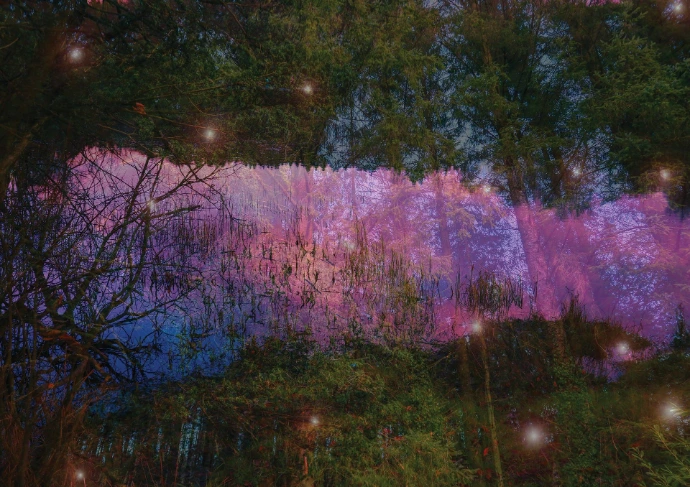
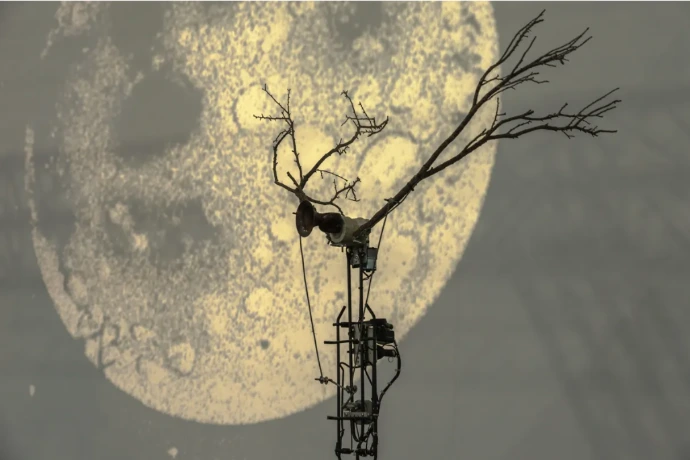
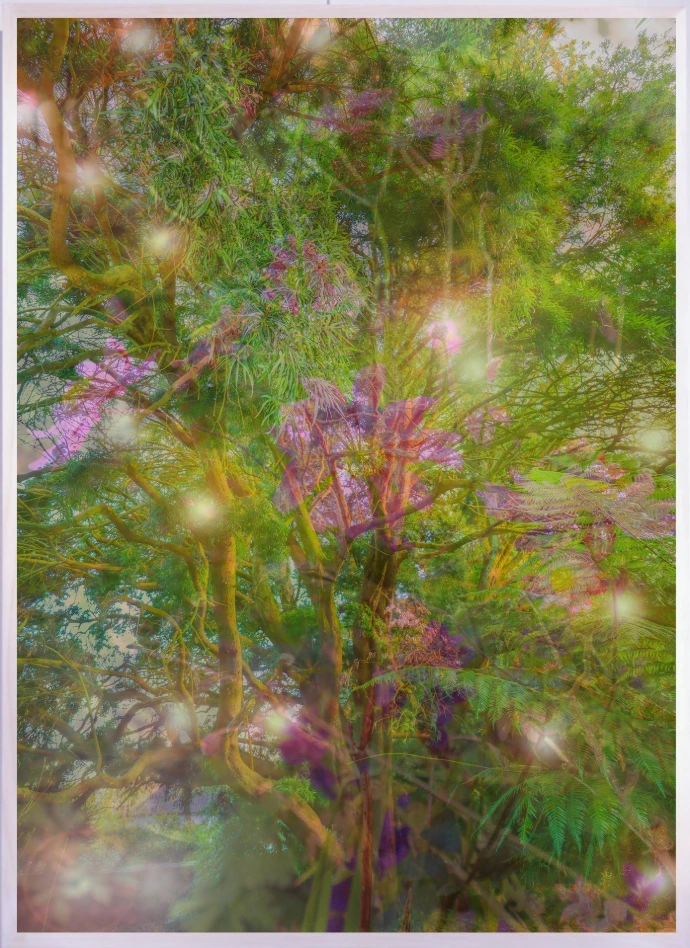
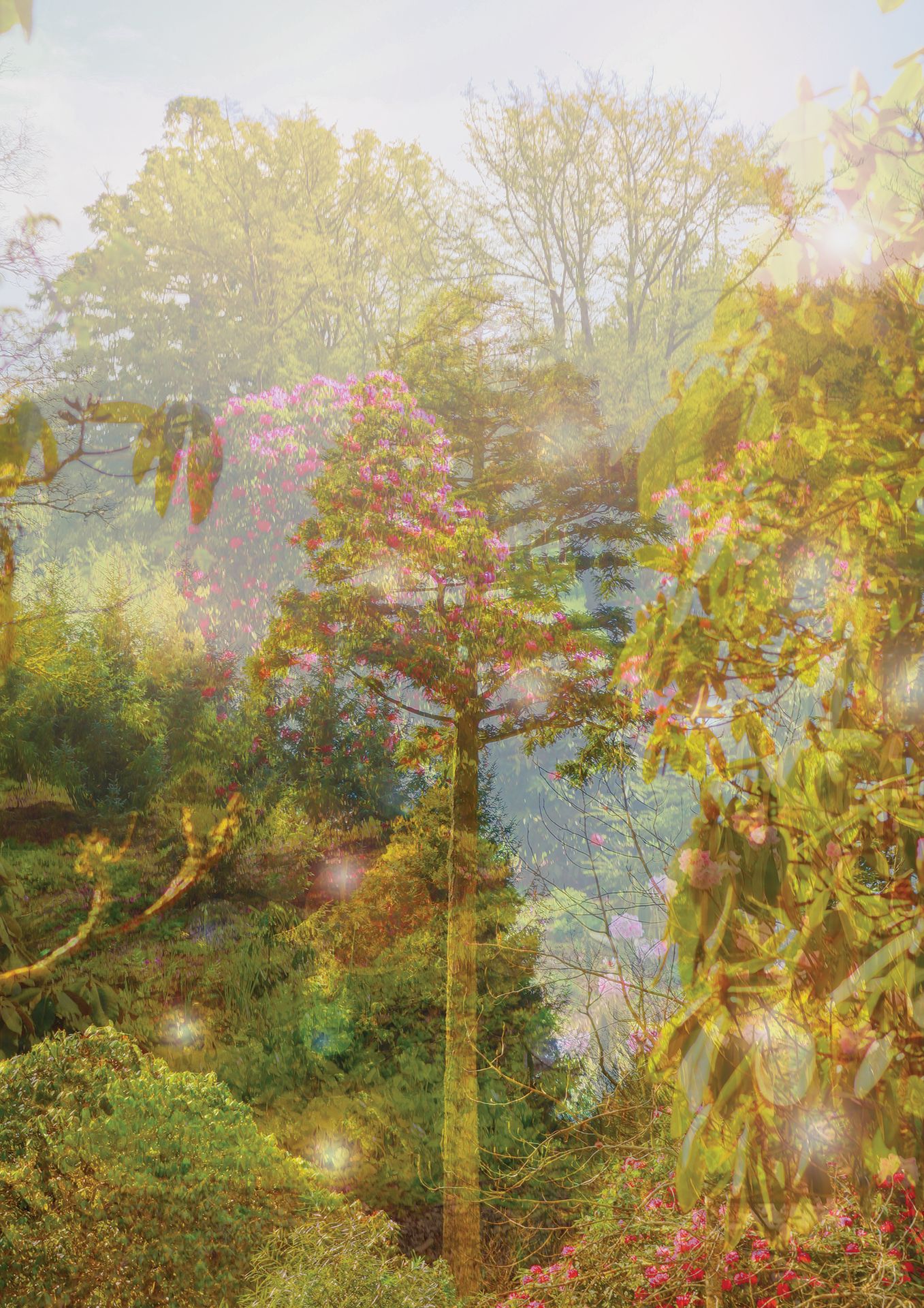
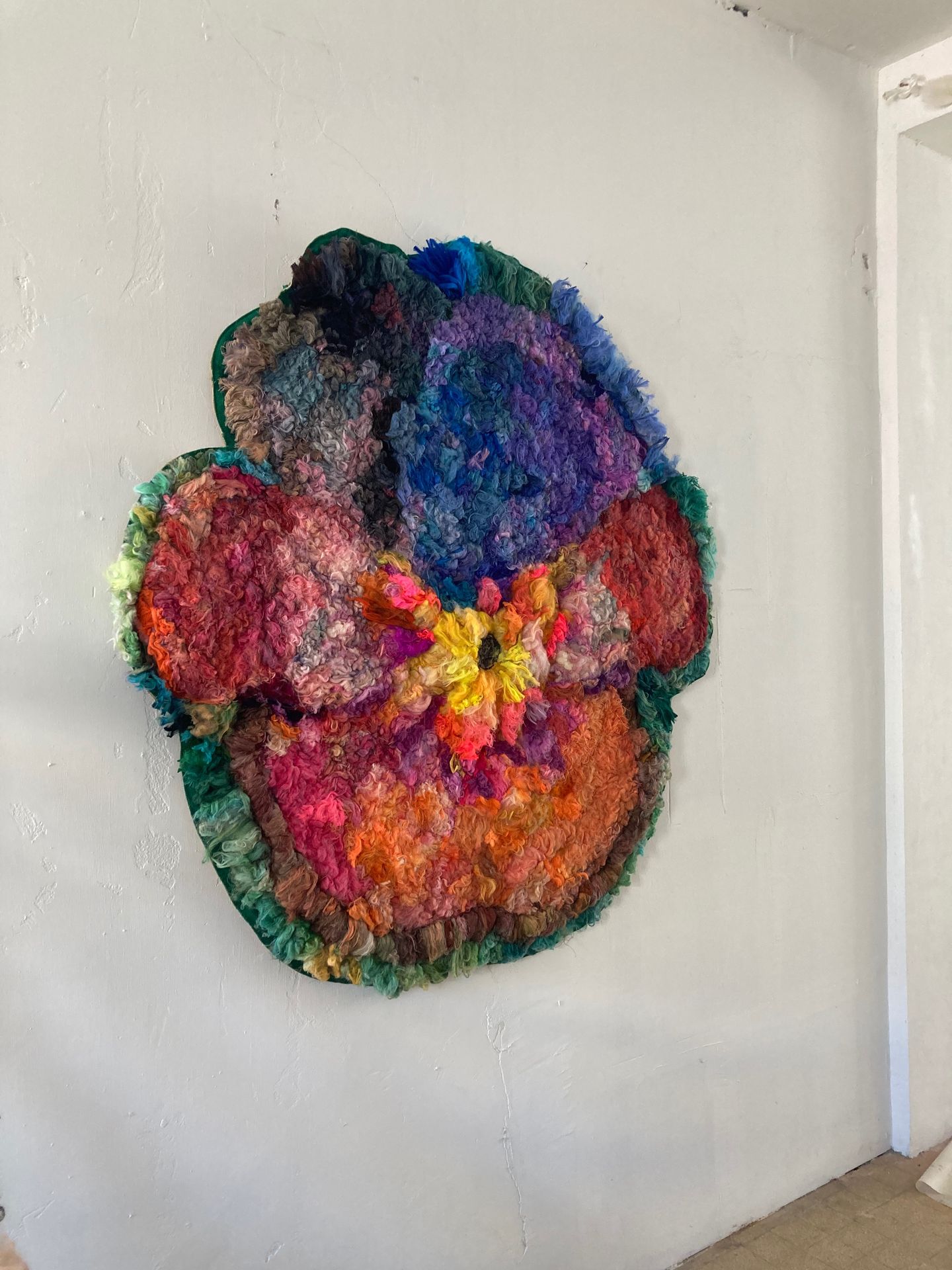
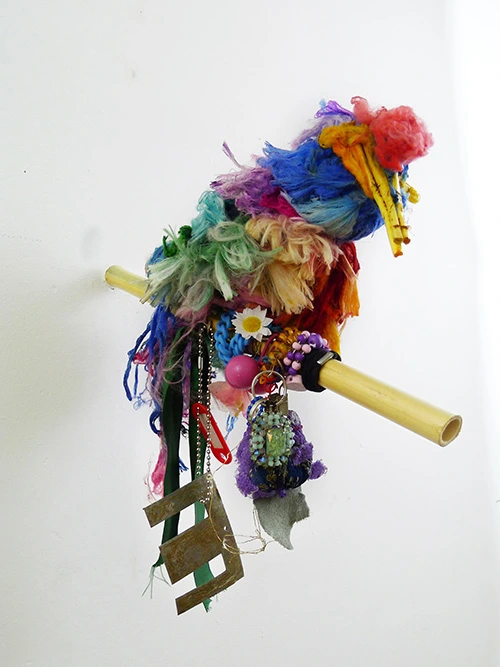
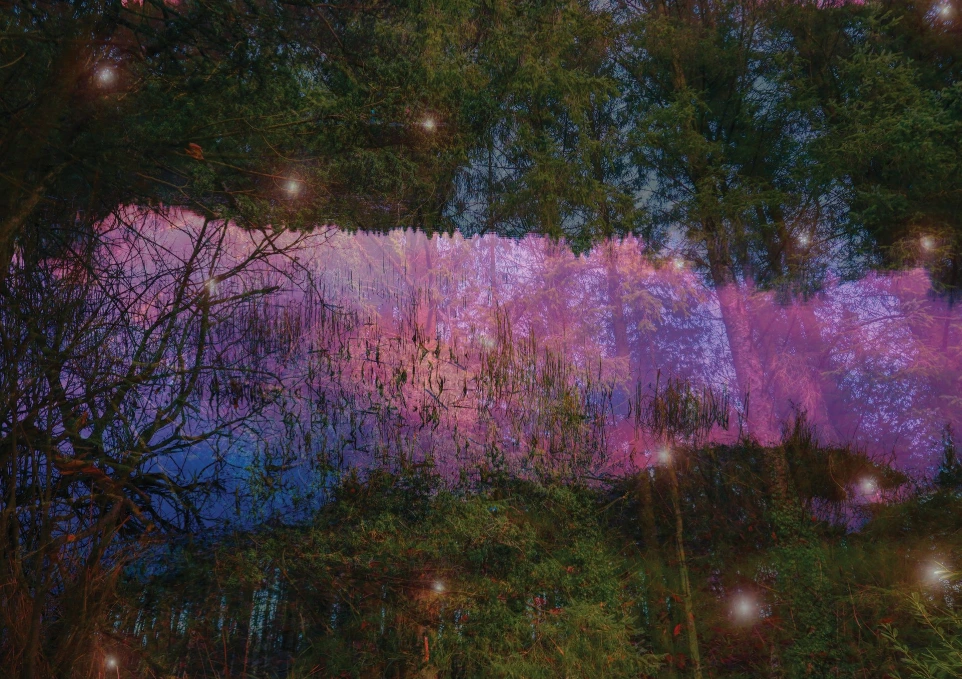
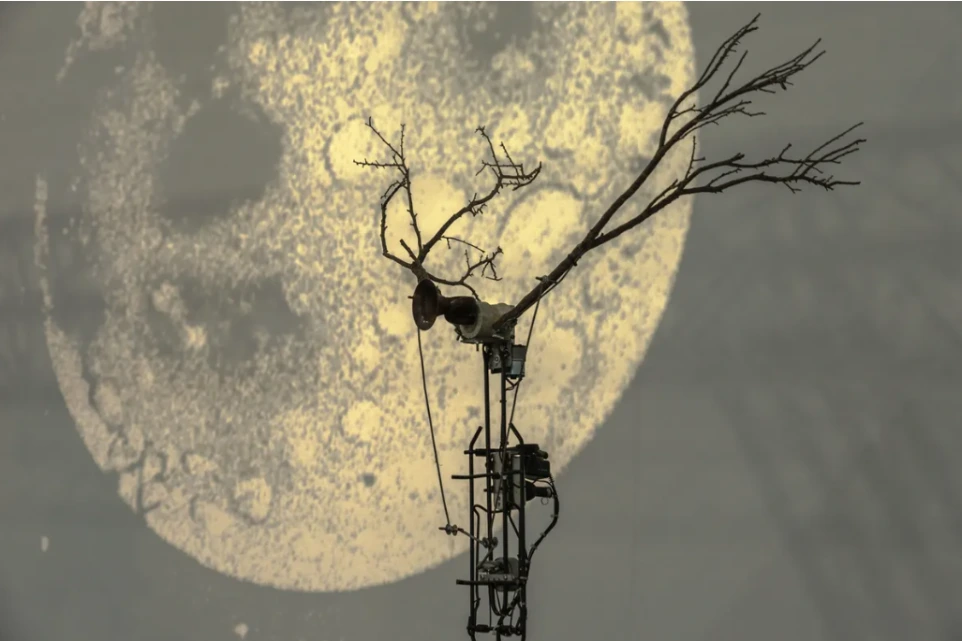
The exhibition proposes to bring together five international artists: Jennifer Reynolds, Hsiau Sheng Chien, Johanna Dumet, Anna Birshtein, and Agnès Vitani-Grange, working across photography, mixed-media sculpture, installation, and sound-based works. Featuring approximately 16 works, the exhibition will be presented over four days from 20-23 October 2026. Through a cyclical journey across blooming, withering, and memory, Before The Lights Go Out invites visitors to reflect on how meaning, emotion, and beauty persist within constant change.

Curatorial Text
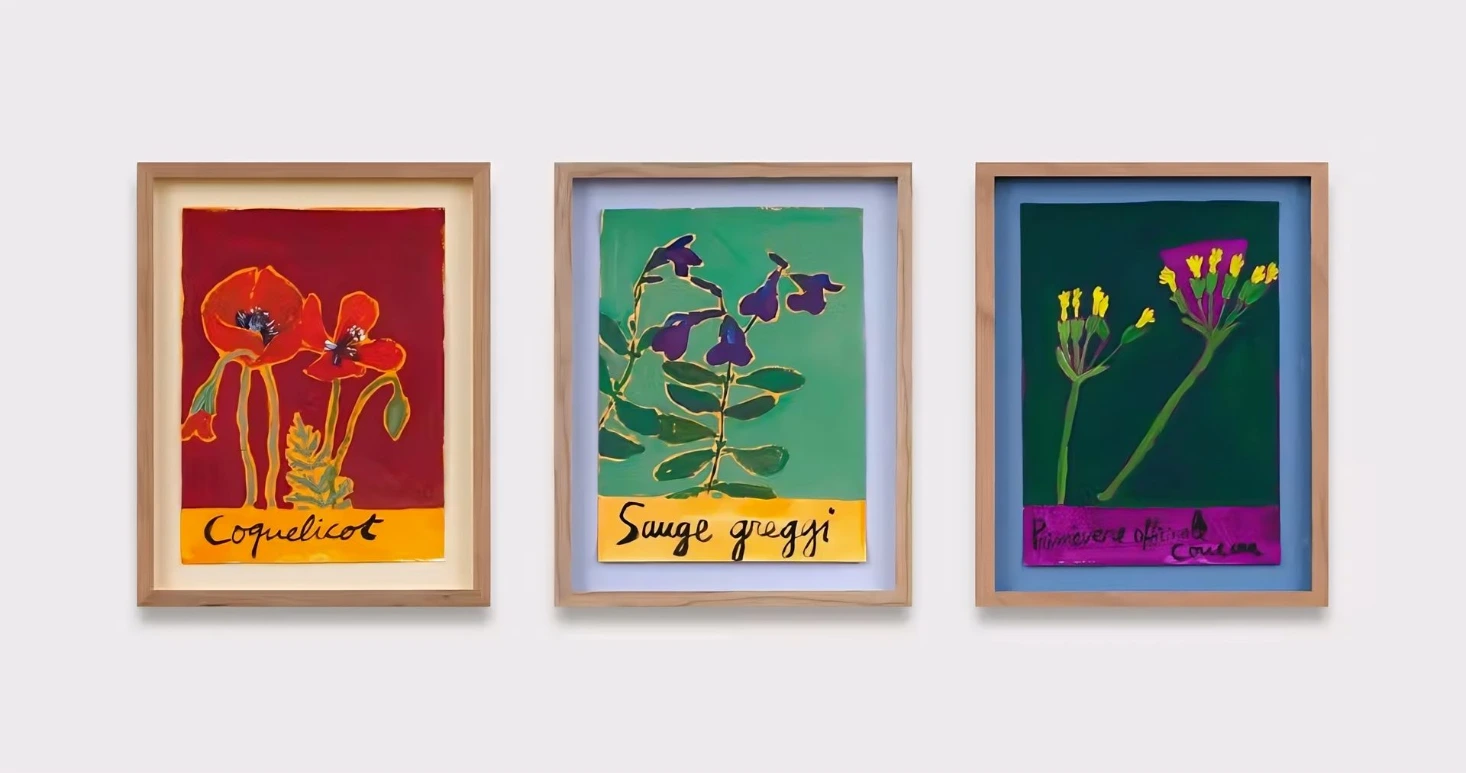
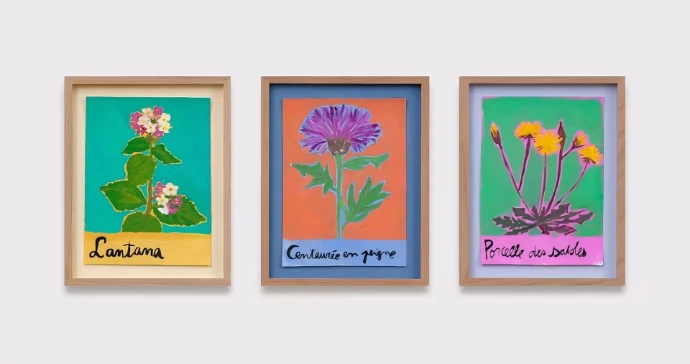
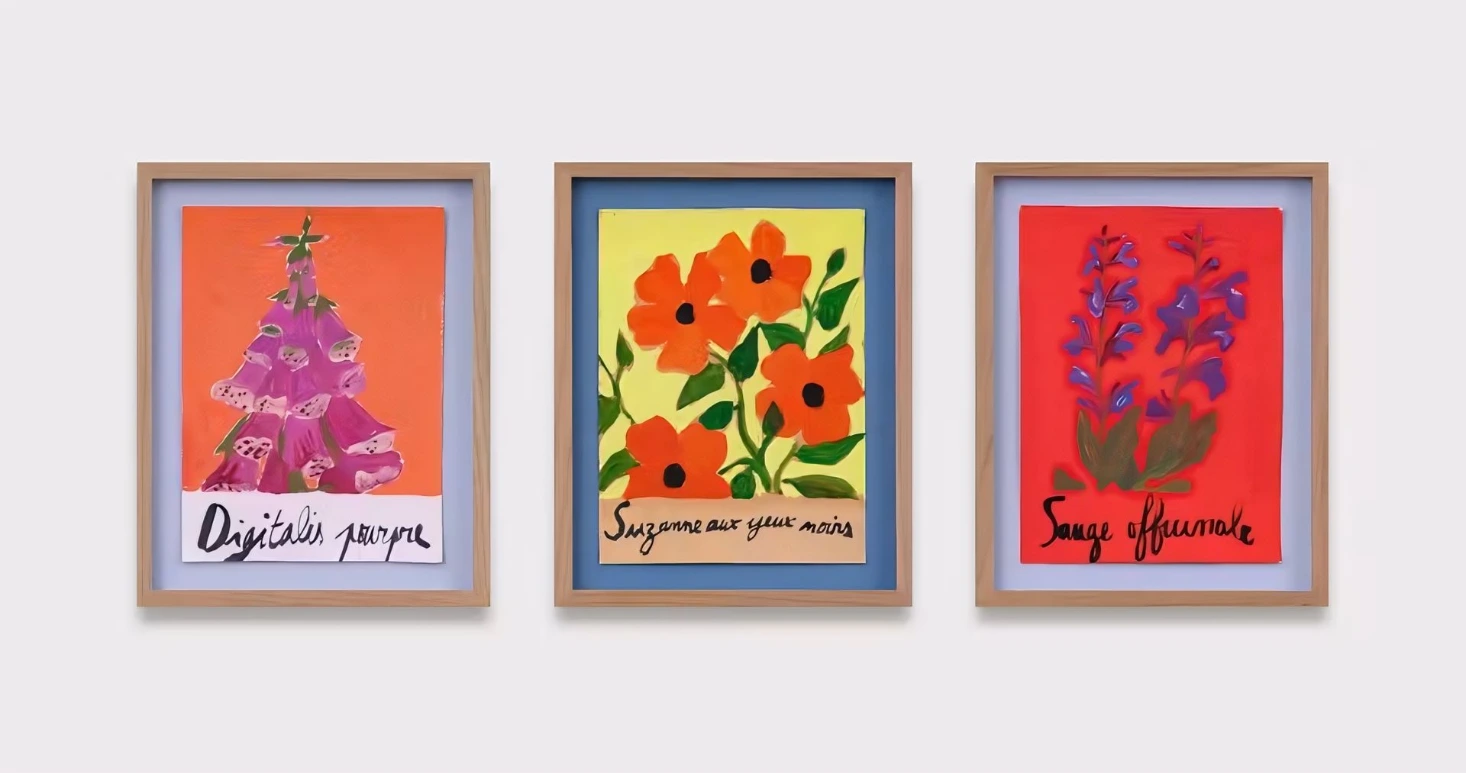
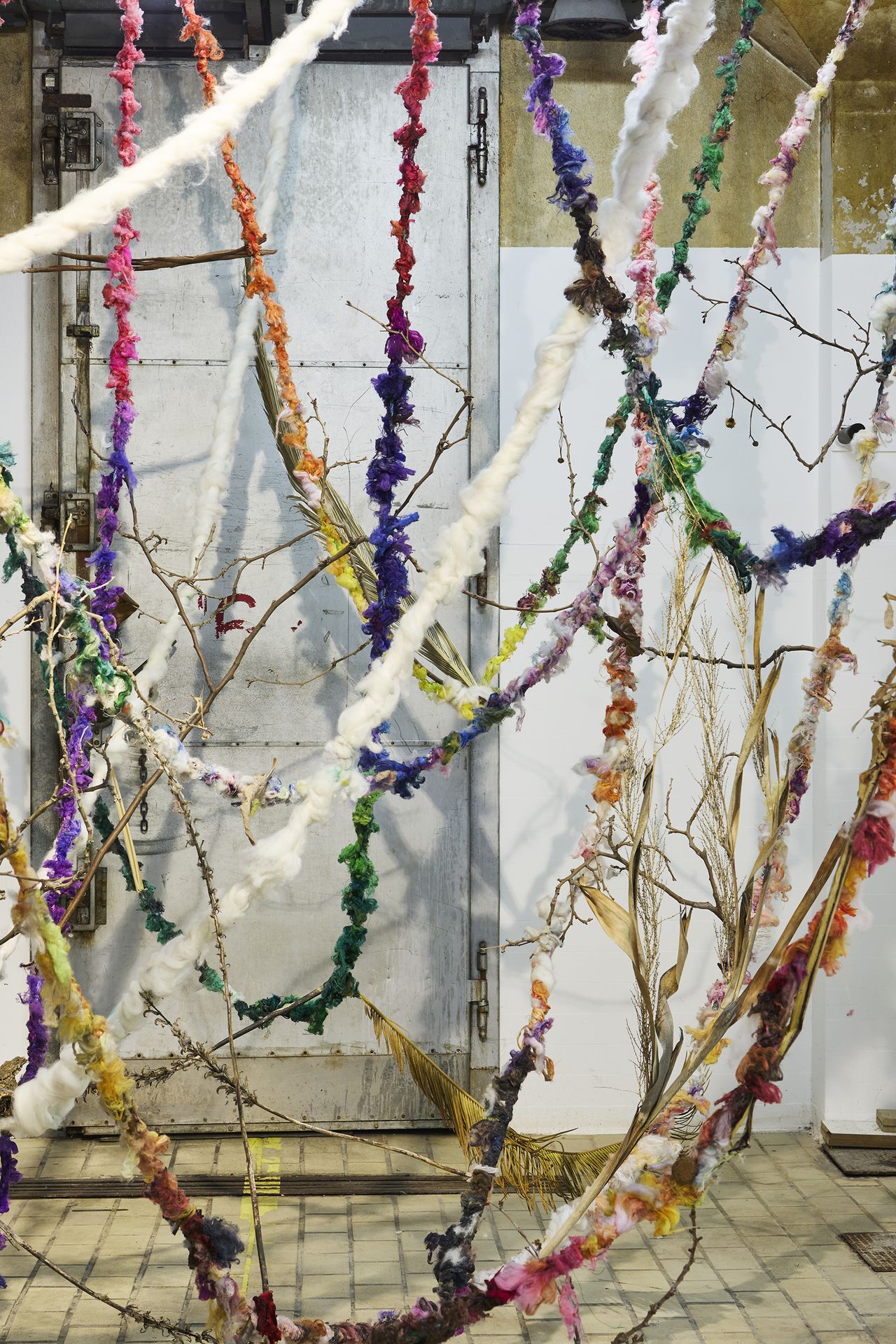
Through this passage, Before The Lights Go Out emerges as a meditation on how memories bloom, fade, and reappear, carried by the delicate metaphor of the flower and the shifting landscapes of the self.

Flowers have always been a way of communicating things that are sometimes difficult to say.
They can carry love, grief, celebration, longing and memories of people or moments that are no longer physically present.
Curatorial Statement
We often think of life as a straight line. We are born, we grow, we change, and eventually we disappear. But nature does not really work this way. A flower blooms, withers, returns to the earth, and becomes part of the soil where something new can grow. What looks like an ending can also be the beginning of something else.
Maybe we understand this through something very simple: buying flowers. Imagine walking past a flower shop on a sunny afternoon. A faint flower scent catches your attention. You stop and choose a beautiful bouquet of roses. You notice the crystal-clear drops of water on their petals, almost as if the flowers were proudly showing off how well nourished they are, full of life and quietly pleased with themselves. You bring them home, find an old vase in the storage room, clean it, and place the flowers in the center of the room. At that moment, you do not think about the flowers dying. You are simply happy.
Of course, you know the flowers will not last forever. But this knowledge does not make the moment less beautiful. Maybe it is because we know the moment will pass that we want to remember it. The flowers will fade, but for now, they are here. And for now, we are here with them.
This is where Before The Lights Go Out begins. Through flowers, we look at the changing states of life: growth, vitality, fading, disappearance and memory. Flowers have always been a way of communicating things that are sometimes difficult to say. They can carry love, grief, celebration, longing and memories of people or moments that are no longer physically present.
As four co-curators, we do not want to tell a linear story with one beginning and one ending. We are more interested in states and transitions. We do not focus only on the artworks themselves. We focus on what happens between them: the feeling of moving from one state to another, from brightness to darkness, from presence to absence, and from loss back to memory.
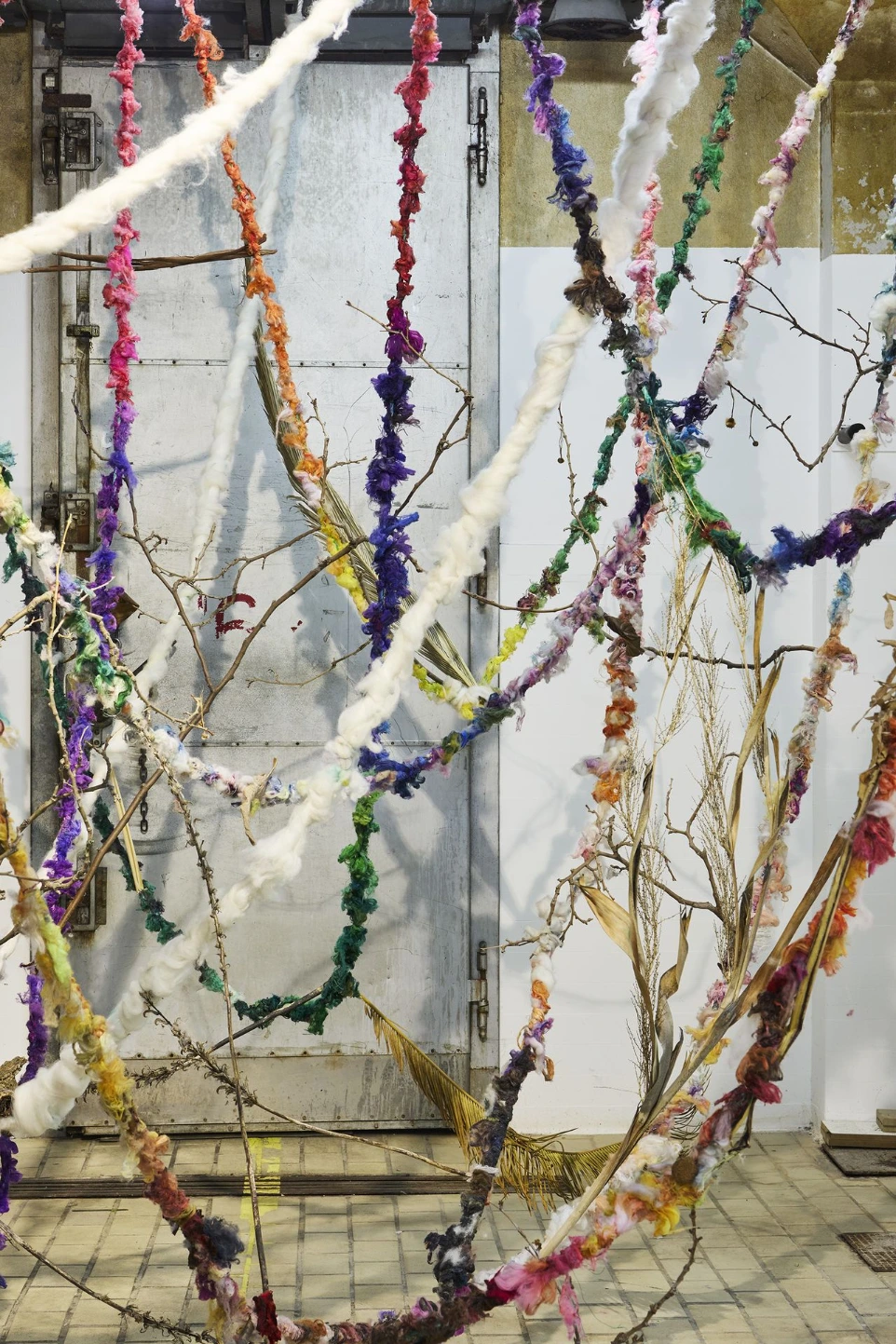
The three spaces, Vital Bloom, Withering and Dream Boxes, are different parts of this cycle. Vital Bloom brings us into the energy of life, playfulness and curiosity. Withering brings us into a darker and more uncertain space, where things that once seemed permanent begin to fade. Dream Boxes turns towards memory and imagination, where something that has disappeared may return in another form.
But there is no correct order. Visitors can enter the exhibition from different points and create their own path. Someone may begin with growth and slowly encounter loss. Someone else may begin with disappearance and later find a sense of renewal. The movement between the upper and lower floors also becomes part of this cycle. We leave one space, move through another, and eventually return.
For us, impermanence is not simply about things ending. A flower that dies returns to the earth and becomes part of new life. Something that disappears from our lives can continue through memory. Loss and renewal are not always opposites. They can exist within the same cycle.
We also do not want to tell visitors how they should feel. Memory can be painful. It can also be comforting. Change can make us afraid, but it can also make us notice what is still here. Everyone may find something different. Maybe this is what we want to leave open.
Before The Lights Go Out does not try to give an answer to impermanence. It simply asks us to slow down and notice.
What is changing?
What is disappearing?
What remains?
And what might we find in ourselves while moving through these changes?
There is no fixed beginning and no final ending. There are only different states, slowly becoming one another.
Like a flower.
The light fades.
The darkness comes.
And eventually, the light returns.